
UX Design Is Letting Go in 2026: 10 Things That Quietly Died in 2025
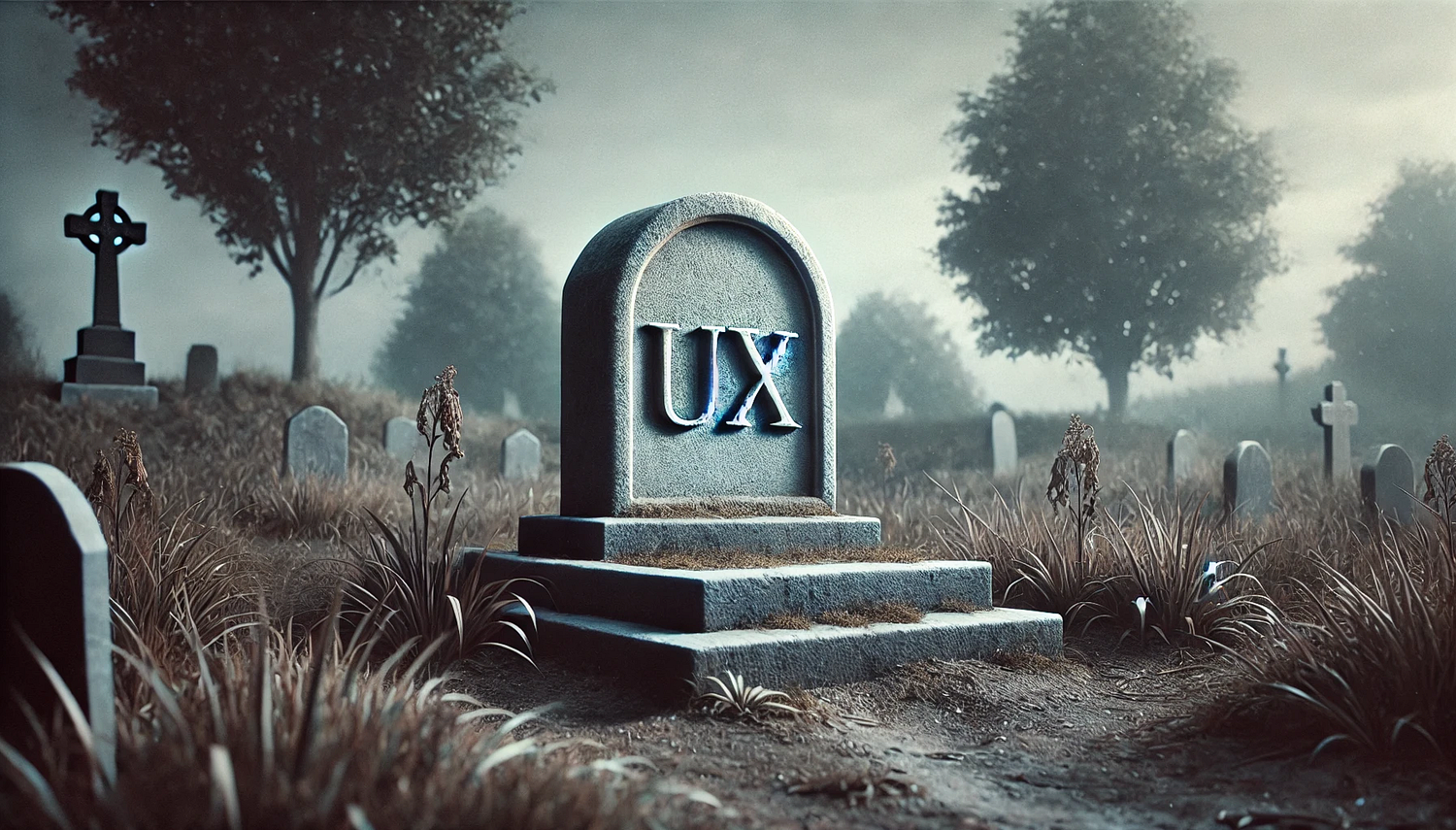 Every year, UX design gains new tools, patterns, and philosophies. But what we rarely talk about is what quietly dies.
2025 is one of those turning points.
Some UX practices didn't fail because they were "bad." They vanished because users matured, technology evolved, and expectations shifted.
As we step into 2026, here are the UX design things that end in 2025 - and why they won't survive the next wave.
1. Designing for Screens Instead of Experiences
For years, UX was screen-centric:
In 2025, this mindset finally collapsed.
Users don't experience screens anymore - they experience flows across contexts:
By 2026, UX that only works "well on a screen" but breaks across touchpoints will feel outdated.
What vanishes:
"This screen looks good."
What replaces it:
"This experience feels continuous."
2. Feature-First UX Thinking
In 2025, we still see products brag about:
By 2026, this approach collapses under its own weight.
Users are exhausted. More features no longer signal value - they signal cognitive load.
Products that survive will not be the ones that do more, but the ones that:
Feature-first UX dies. Outcome-first UX wins.
3. Dark Patterns Disguised as "Growth UX"
This one is important.
For years, UX designers were pushed to:
In 2025, users finally started calling this out loudly. In 2026, regulation, public awareness, and ethical design pressure make dark patterns a liability, not a strategy.
Designs that manipulate trust will lose it permanently.
What ends:
What replaces it:
4. "One Persona Fits All" UX
Generic personas are quietly dying.
You know the ones:
By 2026, this static persona model no longer reflects reality.
Users are:
The same person behaves differently at night vs morning, stressed vs relaxed, beginner vs expert.
What vanishes: Static personas and fixed journeys.
What replaces it:
UX becomes dynamic, not demographic.
5. Over-Designed, Over-Animated Interfaces
There was a phase where everything moved. Buttons bounced. Cards floated. Scroll triggered fireworks.
By the end of 2025, fatigue set in.
Users don't want to be entertained every second. They want to get things done calmly.
In 2026:
What survives: Subtle, meaningful motion that guides - not distracts.
6. UX Without Ethics Consideration
Until recently, ethics was optional. "Nice to have." "Out of scope."
That era ends in 2025.
By 2026, UX designers are expected to think about:
Ignoring ethics won't just be unprofessional - it will be risky.
UX design is no longer neutral. Design decisions shape behavior.
And designers will be held accountable.
7. Pixel-Perfect Obsession
Perfectionism in UX used to mean:
In 2026, this obsession fades.
Why?
Because:
Designers who obsess over pixels but ignore real user behavior will fall behind.
What matters more now:
8. UX That Ignores Emotional Load
For a long time, UX focused on:
But users aren't robots.
By the end of 2025, it becomes clear: emotional load is as real as cognitive load.
Interfaces that feel:
...will not survive 2026.
Calm UX, slow UX, humane UX rise instead.
9. Copy-Paste Design Systems Without Thought
Design systems are powerful - but blindly copying Material, iOS, or popular UI kits without understanding context is ending.
In 2026:
Design maturity is not about sameness - it's about fit.
10. UX as a "UI-Only Role"
This is the biggest shift.
In 2025, UX designers who only:
Start becoming irrelevant.
In 2026, UX designers are expected to:
UX is no longer decoration. It's strategy.
UX design in 2026 won't be louder. It won't be flashier. It won't be more complex.
It will be more honest.
What dies in 2025 are practices rooted in ego, shortcuts, and surface-level thinking. What survives are designs rooted in empathy, restraint, and responsibility.
The future of UX isn't about trends.
It's about maturity.