
Суверенный эксперимент: когда Кремниевая долина решает построить страну
Перед прочтением этого розового восторга полезно ознакомиться с https://download.ru/files/hRJ48lZT и вот свежие рзмышления Карелова
Подробности эксперимента стоимостью 60 миллиардов долларов, который поверг правительства в ужас, и почему он может стать будущим человеческой цивилизации
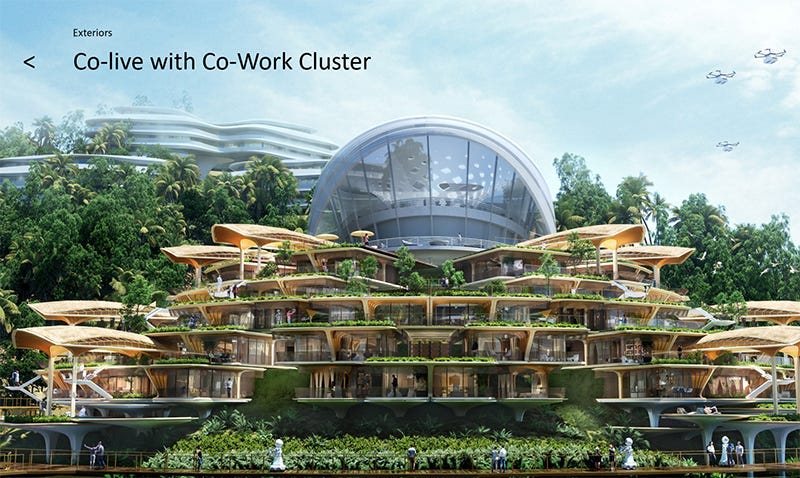
Что происходит, когда технологические миллиардеры устают жаловаться на правительство и решают построить собственное? Ответ раскрывается на небольшом острове у берегов Гондураса и это невероятнее, чем вымысел.
Мне казалось, я понимаю, что такое власть, пока не увидел, как мужчина непринужденно предложил мне компьютерный чип для руки.
Мы находились в безупречной лаборатории в, возможно, самом противоречивом городе мира месте, которое, с юридической точки зрения, не должно существовать. Снаружи краны тянулись к карибскому небу, строя «следующий Сингапур». Критики называли его иначе: игровая площадка миллиардеров, маскирующаяся под освобождение.
«Хочешь?» спросил Куинн, держа в руках крошечный RFID-чип. У него было четыре имплантата, включая магнит в кончике пальца, который улавливал электромагнитные поля. «Большинство людей думают, что я сумасшедший. Я думаю, это они сумасшедшие и доверяют всю свою цифровую жизнь устройствам, которые они не контролируют».
Это Проспера. Здесь ничто не является тем, чем кажется.
Невидимая граница
Еще полгода назад я бы посмеялся над "страной стартапов". А потом, на пыльной дороге в Роатане, я стал свидетелем чего-то невозможного
Переход был незаметным. В один момент яркая, хаотичная инфраструктура Центральной Америки: выбоины, линии электропередач, словно приклеенные скотчем и молитвами. В следующий уже дорога стала невероятно ровной. Как в Сингапуре.
Никаких ворот. Никаких контрольно-пропускных пунктов. Никаких флагов. Просто невидимая линия, где заканчивается одна реальность и начинается другая.
«Большинство людей проезжают мимо, улыбнулся мой гид Томас. Это сделано намеренно. Мы показываем, чего можно достичь, когда устраняется трение». Томас, одетый в брюки цвета хаки и рубашку-поло, совсем не походил на революционера. Но он объяснил невероятную концепцию: частный город со своей собственной правовой системой, функционирующий внутри суверенного государства, которое теперь пытается его закрыть.
«Мы конкурируем с правительствами - сказал он.
Со всеми ними. И мы побеждаем».
Это была не рекламная кампания для туристов. Это было объявление войны национальному государству. Завтра наступит быстро.
Вирджиния, моя переводчица, стала моим первым знакомством с тем, почему это место может иметь значение. Она была уроженкой Гондураса и много лет преподавала английский язык, борясь с системой, где учебники были роскошью. Prospera предоставила ей оборудованный класс, заинтересованных учеников и ресурсы для реального обучения.
«Я влюбилась», сияя, сказала она. «Но это не благотворительность. Это бизнес. Им нужны англоговорящие, нам нужны рабочие места. Все в выигрыше».
Она тщательно подбирала слова. «Критики называют это колониализмом. Но колонизаторы не спрашивают разрешения. Проспера нуждается в нашем согласии на расширение. Им нужно, чтобы мы проголосовали «за». Она указала на строительство. «Создано три тысячи рабочих мест. В месте, где безработица губила нашу молодежь».
Однако местный рыбак Матео нахмурился. «Рабочие места да. Но чьи рабочие места? И как долго? Строят, уходят, когда им это удобно. Мы видели это на примере курортов. Что произойдет, когда деньги закончатся, а они изменят наши законы и нашу землю?» Его скептицизм, отточенный историей, пробил насквозь блестящие обещания Просперы. Разрушения, даже самые благие, отбрасывают длинные тени.
Работа была лишь началом. Я случайно стал свидетелем реального предвкушения следующей главы в истории человечества - одновременно захватывающего и ужасающего
Грань возможного.
В большинстве стран мой разговор с доктором Сарой Чен был бы незаконным. Чен непринужденно объяснила, как извлекать стволовые клетки из менструальной крови, утверждая, что это самый мощный регенеративный материал. Ее компания платила женщинам за то, что они всегда выбрасывали, предлагая сохранить их клетки для будущего медицинского применения.
«В США подобные исследования заняли бы десятилетия - сказал Чен. Здесь же мы переходим от лаборатории к клинике за несколько месяцев. Не за счет упрощения процедур, а за счет сокращения бюрократии».
Чен была подопытным кроликом. Травма позвоночника, неизлечимая в других местах. В условиях, созданных компанией Prospera, она могла ускорить разработку методов лечения, которые могли бы спасти миллионы.
«Комитеты по этике обсуждают вопросы безопасности - сказала она. Но что этично в том, чтобы заставлять людей страдать во время этих обсуждений?»
В конце коридора Маркус создал «цифрового двойника» человеческого мозга, стремясь загрузить в него сознание. Исследователи с поразительной точностью составили карту нейронных сетей.
«Мы разгадываем самую сложную загадку, - объяснил Маркус. Понимание сознания. В других местах законодательство делает эти исследования практически незаконными. Здесь же мы добиваемся прогресса».
Мой очевидный вопрос: А что, если вы добьетесь успеха? «Тогда мы вылечим шизофрению, болезнь Альцгеймера, депрессию - любое психическое расстройство. И да, возможно, мы решим саму проблему смерти».
Он говорил с леденящим спокойствием, в его словах звучала глубокая надежда и ужасающее пренебрежение к человеческому фактору. Какие этические рамки существовали, когда на повестке дня стояло само определение человечности?
Восстание против реальности
Мануэль изготавливал оружие для спорта. Как ни странно, это казалось вполне обычным делом. «Нелетальные гладиаторские бои», объяснил он, демонстрируя электрошоковые ножи. «Представьте себе пейнтбол, только с настоящими кольями. Мы строим колизей». Мануэль оставил комфортную работу в сфере высоких технологий ради этого. Не ради денег, а ради свободы создавать невозможное.
«Назовите хотя бы одно другое место, где я мог бы на законных основаниях построить современный "Тандердом"», бросил он вызов. «Такого места нет. Правительствам потребовались бы годы на заседания комитетов. Здесь же, если это не причиняет явного вреда, это разрешено».
Основная философия «Просперы»: разрешение по умолчанию, запрет в порядке исключения. Полная противоположность большинству правительств. Но эта свобода имела свою цену.
Невидимая война
Хорхе Колиндрес, находясь в своем офисе и наблюдая за непрекращающимися строительными работами, несмотря на угрозы судебных исков, казалось, забавлялся царящим хаосом. Невидимая война «Они хотят, чтобы мы ушли», — сказал он о попытках гондурасского правительства лишить Просперу автономии. «Не потому, что мы делаем что-то не так, а потому, что доказываем, что их подход не работает».
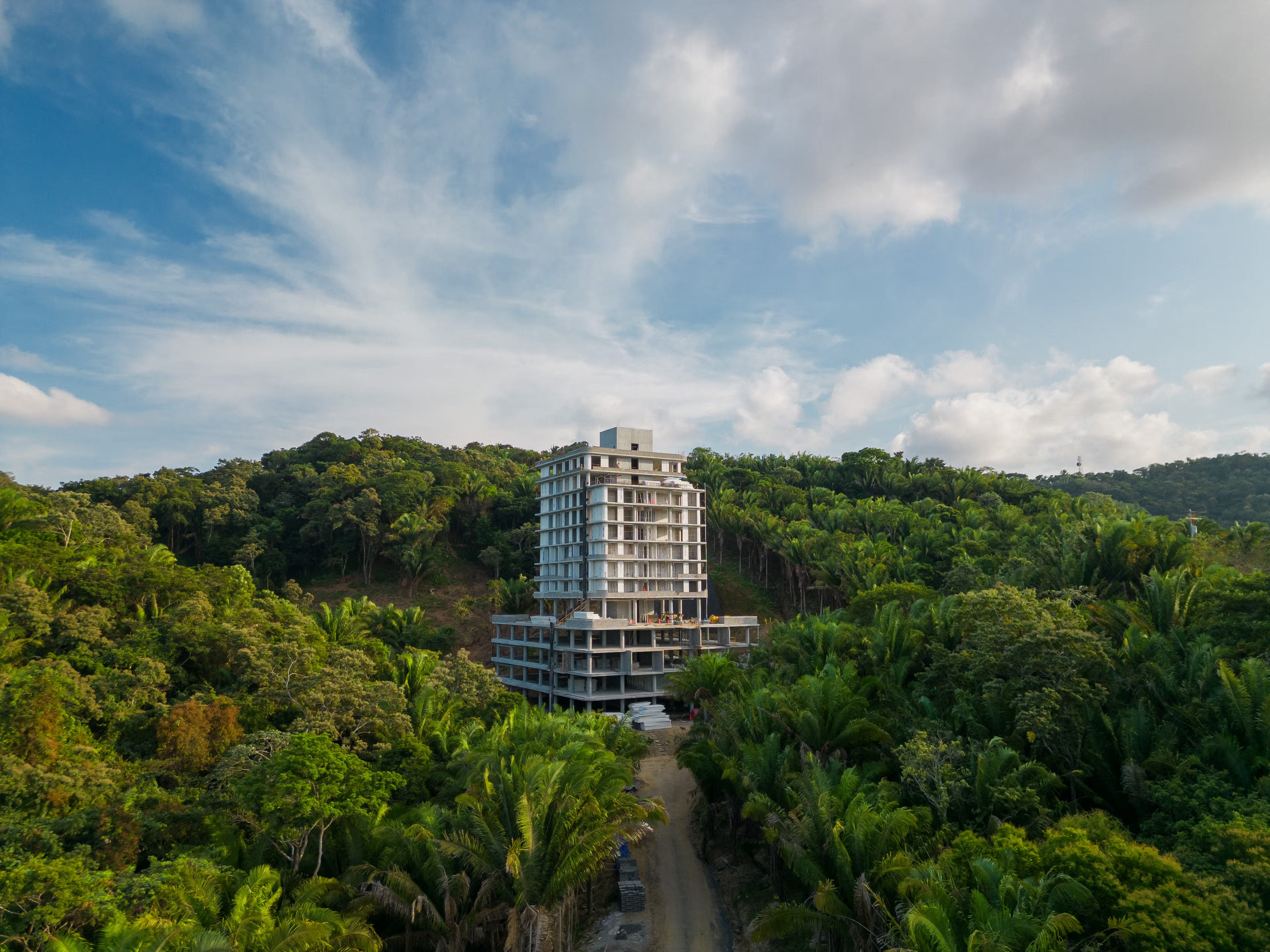
Доказательства накапливались: здание конфисковано, потребовали выплаты 500 000 долларов в виде ретроактивных «налогов на воздействие на окружающую среду», полиция проводила рейды. Хорхе Колиндрес, находясь в своем офисе и наблюдая за непрекращающимися строительными работами, несмотря на угрозы судебных исков, казалось, забавлялся царящим хаосом. «Речь идёт о власти, продолжил Хорхе. Правительства обладают монополией на управление. Мы вводим конкуренцию. Конечно, они дают отпор». Хорхе не собирался отступать. Он показал планы медицинских центров, исследовательских комплексов, высотных зданий. «Мы строим следующий Гонконг Америки».
Судебная тяжба переросла в международный арбитраж. Были заявлены миллиарды долларов в качестве компенсации ущерба. Выдвигались обвинения в нарушении суверенитета. Исход дела определит, станут ли страны-стартапы будущим или лишь фантазией Кремниевой долины.
Тень неограниченной власти
Вот неприятная правда: Проспера, при всей своей ослепительной красоте, также кажется воплощением либертарианской фантазии. Место, где богатые избавляются от коллективной ответственности, действуя в самопровозглашенном правовом пузыре. Что мешает этой системе превратиться в систему, где правила служат сильным, оставляя менее привилегированных уязвимыми? Сама «эффективность» может заключаться в отсутствии демократии. Невидимая граница может разделять не только дороги, но и различные классы граждан.
Вопрос, который меняет всё.
А что, если они правы?
Компания Prospera, тем временем, решает проблемы со скоростью стартапа.
Лучшее образование? Строим лучшие школы.
Медицинские прорывы? Снижаем регуляторные барьеры.
Экономический рост? Создаем благоприятную среду.
Но что, если это не освобождение, а абсолютное неравенство? Страны-стартапы превращаются в роскошные бункеры для богатых, оставляя всех остальных с приходящим в упадок традиционными государствами? А что же мы? Мы наблюдаем, как будущее решают те, кто достаточно смел или безумен чтобы переступить невидимую черту и заявить, что всё, что мы считаем само собой разумеющимся, может быть неверным. Но это ощущалось как будущее. Все остальное вдруг показалось прошлым. Имплантаты Куинна: интеграция человека и машины, которая станет реальностью, независимо от готовности правительств. Исследования доктора Чена: скорость регулирования, буквально спасающая жизни. Область исследований Мануэля: раскрытие человеческого потенциала. Даже эти споры были вполне оправданы. Конечно, традиционные властные структуры будут сопротивляться. Революционные перемены никогда не происходят мирным путем. В Проспере витала атмосфера безграничного потенциала и безмолвного ожидания мира. Правительство Гондураса предпочло сохранить статус-кво. У Вирджинии возникла мысль: «У богатых людей и так есть выбор. Это даёт выбор таким людям, как я, тем, кто оказался в ловушке».
Наше будущее в зеркале
Спустя три дня мне совсем не хотелось уезжать. Это был не рай - нет. Впечатляюще, но неполно. Неопределенно. Но это ощущалось как будущее. Все остальное вдруг показалось прошлым. Имплантаты Куинна: интеграция человека и машины, которая станет реальностью, независимо от готовности правительств. Исследования доктора Чена: скорость регулирования, буквально спасающая жизни. Область исследований Мануэля: раскрытие человеческого потенциала. Даже эти споры были вполне оправданы. Конечно, традиционные властные структуры будут сопротивляться. Революционные перемены никогда не происходят мирным путем. В Проспере витала атмосфера безграничного потенциала и безмолвного ожидания мира.
Выбор
Фильм «Проспера» поднимает вопрос, выходящий за рамки Гондураса: что будет дальше в мире, где терпят крах институты?
Старый ответ: реформы. Ответ Просперы: создавать альтернативы. Пусть конкуренция определит исход. Жители Просперы решили поставить на кон свою жизнь, чтобы построить что-то лучшее. Правительство Гондураса предпочло сохранить статус-кво.
А что же мы? Мы наблюдаем, как будущее решают те, кто достаточно смел — или безумен — чтобы переступить невидимую черту и заявить, что всё, что мы считаем само собой разумеющимся, может быть неверным.
Самая большая опасность заключается не в провале Prospera, а в её успехе. Если страна-стартап с населением в несколько тысяч человек обеспечит более эффективное управление, чем страны с миллионами, любое правительство превратится в устаревшую систему.
Как нас научила Кремниевая долина, перемены редко бывают мягкими. Путь обратно в традиционный Гондурас был непростым. В один момент — идеально ровное покрытие, в следующий ямы и реальность. Но граница, которая имела значение, была невидима она существовала только в моем сознании. Осознание того, что будущее не обязательно должно быть похоже на прошлое.
Будущее, которое принесет освобождение или катастрофу, зависит от выбора, сделанного прямо сейчас людьми, которых большинство из нас никогда не встретит, и в месте, которое большинство из нас никогда не посетит.
Но результаты изменят мир, в котором мы все живем. А вопросы, которые они поднимают? Они будут громко звучать еще долго после того, как уляжется пыль.
Max Petrusenko works remotely in the software development industry and travels the world to stay in touch with the latest trends. His Cryptobase newsletter provides insightful actions that thoughtful people need to take in this fast and chaotic environment. He is also researching topics of spirituality and mysticism and brings them to the mainstream. Join people who follow him on Medium, Twitter, and Substack.
Read next → Claude Code: The AI Developer's Secret Weapon